
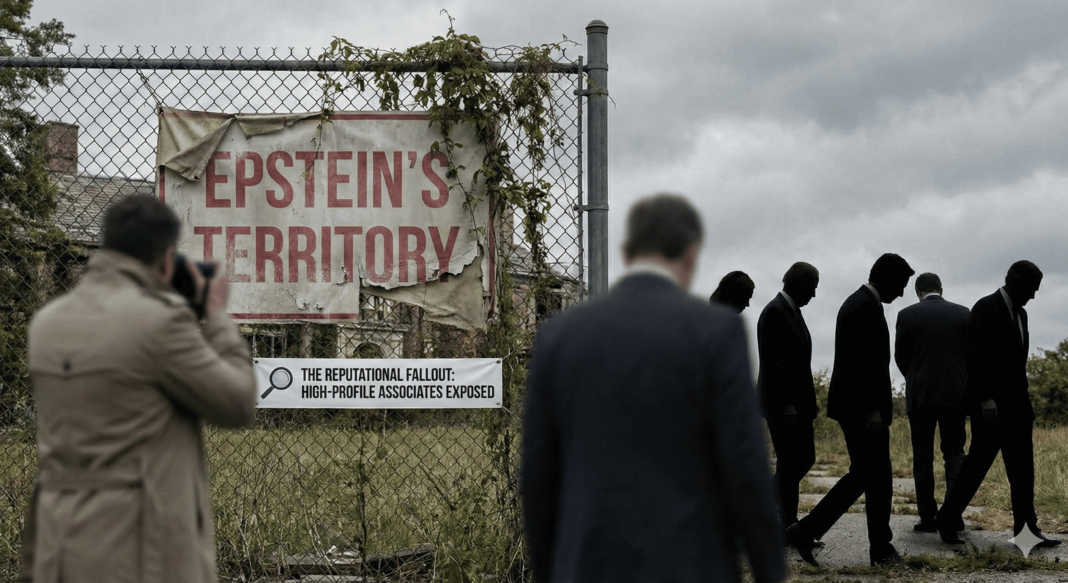

A fresh release of documents linked to Jeffrey Epstein has reignited a global scandal that touches royalty, senior politicians, financiers and tech billionaires. The dump part document leak, part partial public release — names prominent figures and raises new questions about influence, secrecy and possible espionage. The revelations have already forced high-profile moves, from Prince Andrew leaving Windsor Castle at night to political pressure on former ministers and renewed calls for international probes.
What the new files reveal
The documents add to a growing archive of emails, flight logs and payment records that trace Epstein’s network of contacts. Several themes recur:
Close ties to elites: Royals, former cabinet ministers, financiers and cultural figures repeatedly appear in records showing travel, hospitality and financial exchanges.
Political fallout: Allegations that state secrets were shared, and that officials used Epstein for access, have triggered inquiries and public anger.
Questions about intelligence links: Some governments and analysts are pursuing whether portions of Epstein’s operation were used as a honey trap by foreign intelligence services.
High-profile names and immediate fallout
Prince Andrew
The former royal has been the subject of intense scrutiny following renewed allegations. Media coverage and public pressure preceded his quiet relocation from Windsor to the Sandringham estate, a move framed by some as damage control by the monarchy. Critics say his earlier public interview with the BBC in 2019 severely damaged his standing and made his position untenable.
Peter Mandelson
The former UK cabinet minister and ex-ambassador to Washington appears prominently in the files. Allegations include travel on Epstein’s private plane and undisclosed financial assistance to associates. Most seriously, documents suggest Mandelson may have shared non-public information about government decisions during the 2008 financial crisis, a claim that, if substantiated, amounts to insider trading and a breach of state trust.
Bill Gates
Newly public claims suggest Gates sought services or encounters arranged through Epstein; his spokesperson has dismissed some reports as “absolutely absurd.” Melinda Gates described the disclosures as sad and linked them to the breakdown of the marriage and her eventual departure from the foundation.
Media and cultural figures
Journalists and society figures are also named. One notable anecdote captures editor Tina Brown refusing an invitation to a dinner at Epstein’s house:
“No, thank you very much. I decline. You know, I don’t want to have dinner at Jeffrey Epstein’s house.”
Espionage, kompromat and the Russia question
Perhaps the most alarming thread for international security is the suggestion that Epstein’s operation could have been used to collect compromising material on world leaders. Polish Prime Minister Donald Tusk has called for an investigation into possible links with Russian intelligence after documents showed concerted efforts to recruit Russian women and referenced Vladimir Putin repeatedly.
Analysts say the pattern resembles classic honey trap operations. While firm proof of direct state sponsorship is not yet public, the scale and international reach of the files make the allegations plausible enough to demand formal probes.
Why the wealthy participated
Scholars who study the ultra-wealthy say Epstein’s value to elites was not just cash but access: a curated social network that provided influence, deals and social currency. Dartmouth sociologist Brooke Harrington put it bluntly:
“the girls were currency to them”
In this frame, money and sexual exploitation were tools to bind powerful actors into reciprocal obligations, creating a club in which secrecy and mutual compromise sustained deals and status.
Transparency, leaks and the limits of accountability
The release arrives in the shadow of earlier whistle blows the Panama, Paradise and Pandora Papers which exposed widespread offshore secrecy but produced few prosecutions. Experts caution that document dumps can illuminate misconduct without guaranteeing legal consequences, partly because leaks are often partial, redacted or politically controlled.
Political consequences
- Congressional scrutiny: Former presidents and senior figures have been subpoenaed to testify about their connections.
- Public opinion risks: Polling shows uneven reactions; the revelations have damaged trust among some constituencies but not uniformly altered political loyalties.
- International investigations: Calls for cross-border probes have multiplied, driven by the potential national security implications.
The immediate legal and political landscape
Key questions now:
Will remaining files be released in full and without selective redaction?
Will witnesses cooperate or invoke privilege and plea agreements that shield powerful names?
Can prosecutorial and diplomatic institutions coordinate internationally to investigate alleged espionage and financial crimes?
Implications for democracy and public trust
The affair highlights a recurring democratic dilemma: when elites use wealth and secrecy to evade scrutiny, ordinary citizens lose faith in accountability. The pattern celebrity, money, offshore structures, and political influence risks fueling populist resentment while leaving core power structures intact.
What world awaits next
Further document releases and the degree of redaction.
Outcomes of parliamentary and congressional hearings, including testimony from senior figures.
Any coordinated international investigations into alleged intelligence links.
Legal actions stemming from alleged insider trading and financial crimes around the 2008 crisis.
The newest tranche of Epstein related documents has widened an already sprawling scandal. It raises uncomfortable questions about how influence is bought and protected, and whether transparency alone will be enough to produce accountability. The coming months will test whether states, courts and the press can turn leaks into verifiable facts and actionable justice or whether the revelations will become another public spectacle that fades without consequence.